The Spooky Side of London
There are plenty of ways to get to know a new city. You can learn where to buy groceries, find your favourite coffee shop, figure out the bus routes, and eventually form strong opinions about which neighbourhood has the best restaurants.
Or, in October, you could start with the ghosts.
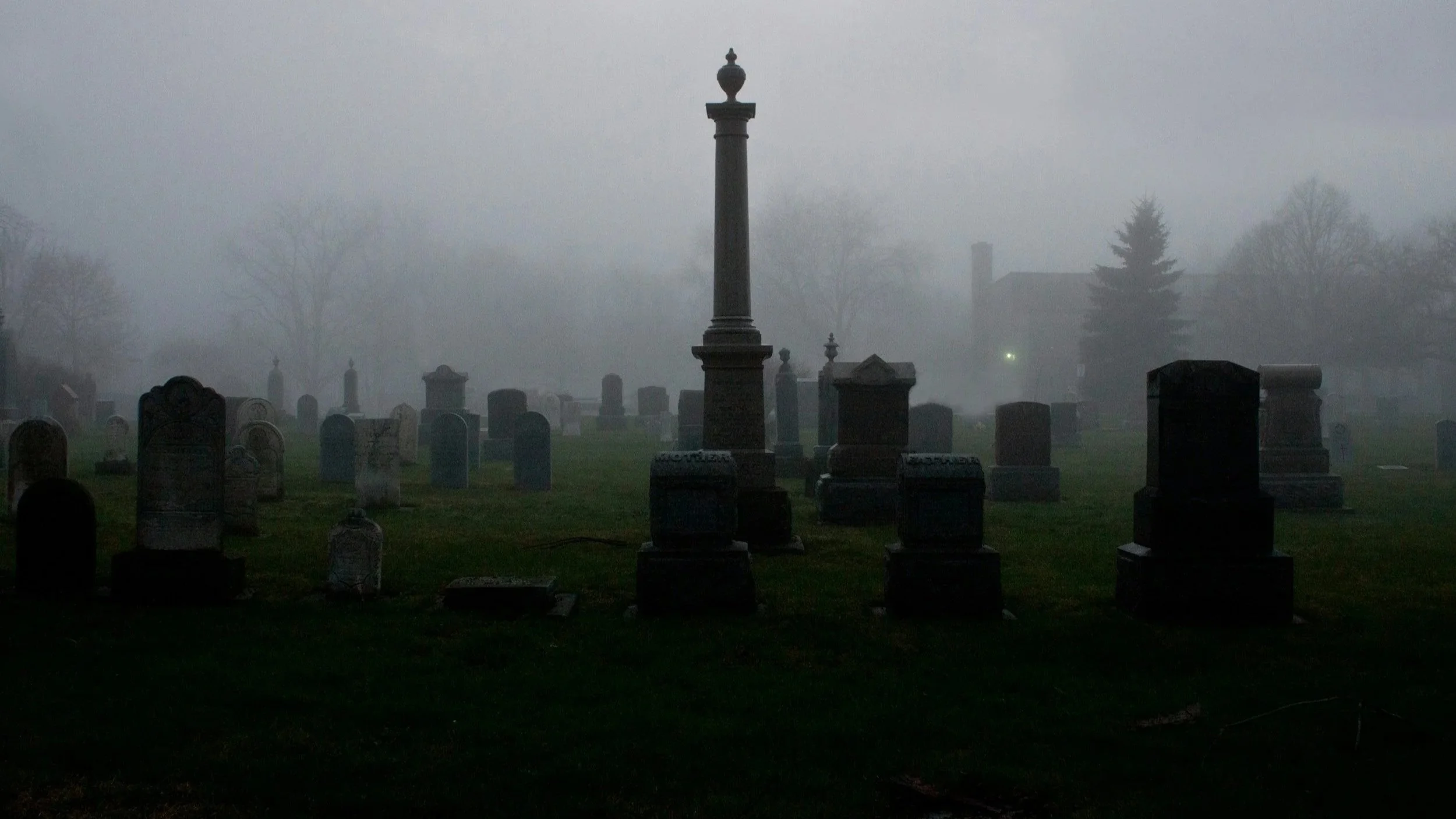
With Halloween just around the corner, October seems like the perfect month to explore London's spookier side and discover that the Forest City has a surprisingly intriguing past. Beneath the leafy parks, handsome old buildings, and increasingly enthusiastic pumpkin displays, stories of mysterious disappearances, old burial grounds, unexplained happenings, and some very real tragedies linger.
And the best part? You don't have to believe in ghosts to enjoy the stories. Think of it as local history with the lights turned down a little.
The Victoria Day Tragedy
Before we get to London's ghosts, we need to talk about one of the city's most haunting stories, and this one really happened.
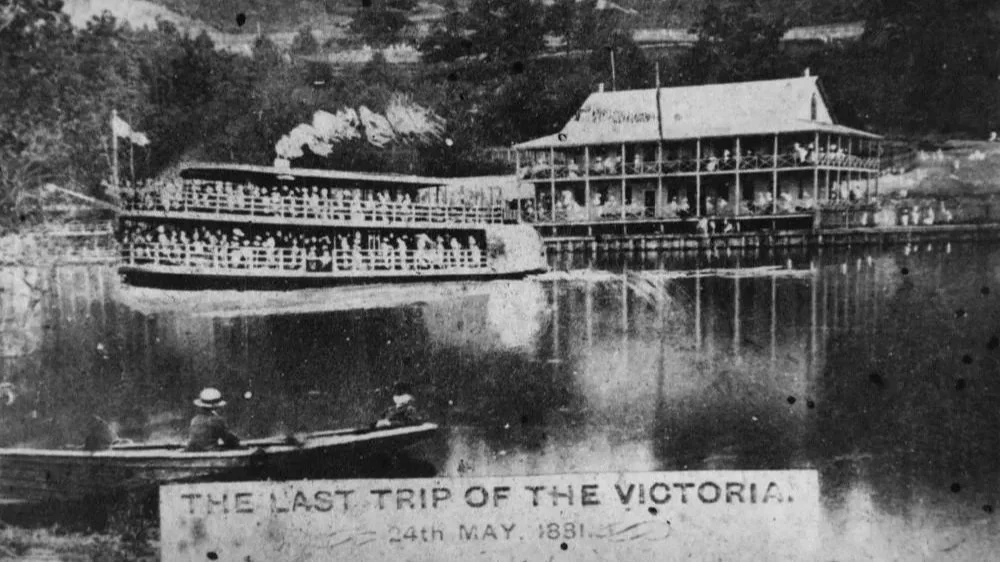
On May 24, 1881, Londoners were celebrating Victoria Day. It was a beautiful spring day, and hundreds of people had headed out to enjoy the holiday at Springbank Park. Steamboats carried passengers along the Thames River between the park and downtown London, turning the trip itself into part of the day's entertainment.
One of those boats was the SS Victoria.
On its return journey, the vessel was dangerously overcrowded. Historical accounts suggest that more than 600 people may have been aboard, although the exact number has never been established. As the boat travelled along the Thames, passengers shifted their weight from side to side. The vessel began to list, and within moments the Victoria capsized and sank near what is now the Greenway area of London.
At least 182 passengers and rescuers lost their lives.
Many were Londoners. The disaster was so devastating that it became the most tragic incident in the history of the Thames River.
And this is where the story takes its darker turn.
The area around the former disaster site has accumulated its own local lore over the years. One story tells of a mysterious woman in a long black Victorian-era dress, reportedly seen near The Coves, not far from where the Victoria went down.
Is she a ghost?
Of course, there is no way to know.
But perhaps that's what makes these stories endure. The tragedy itself is not a legend. The people who died were real, the disaster happened, and the river still flows through the same city today.
Sometimes, the most haunting thing about a ghost story is what came before it.
And if you want to stand somewhere connected to the event, a provincial heritage plaque commemorating the Victoria disaster sits along the south shore of the Thames, near the site of the sinking.
Eldon House
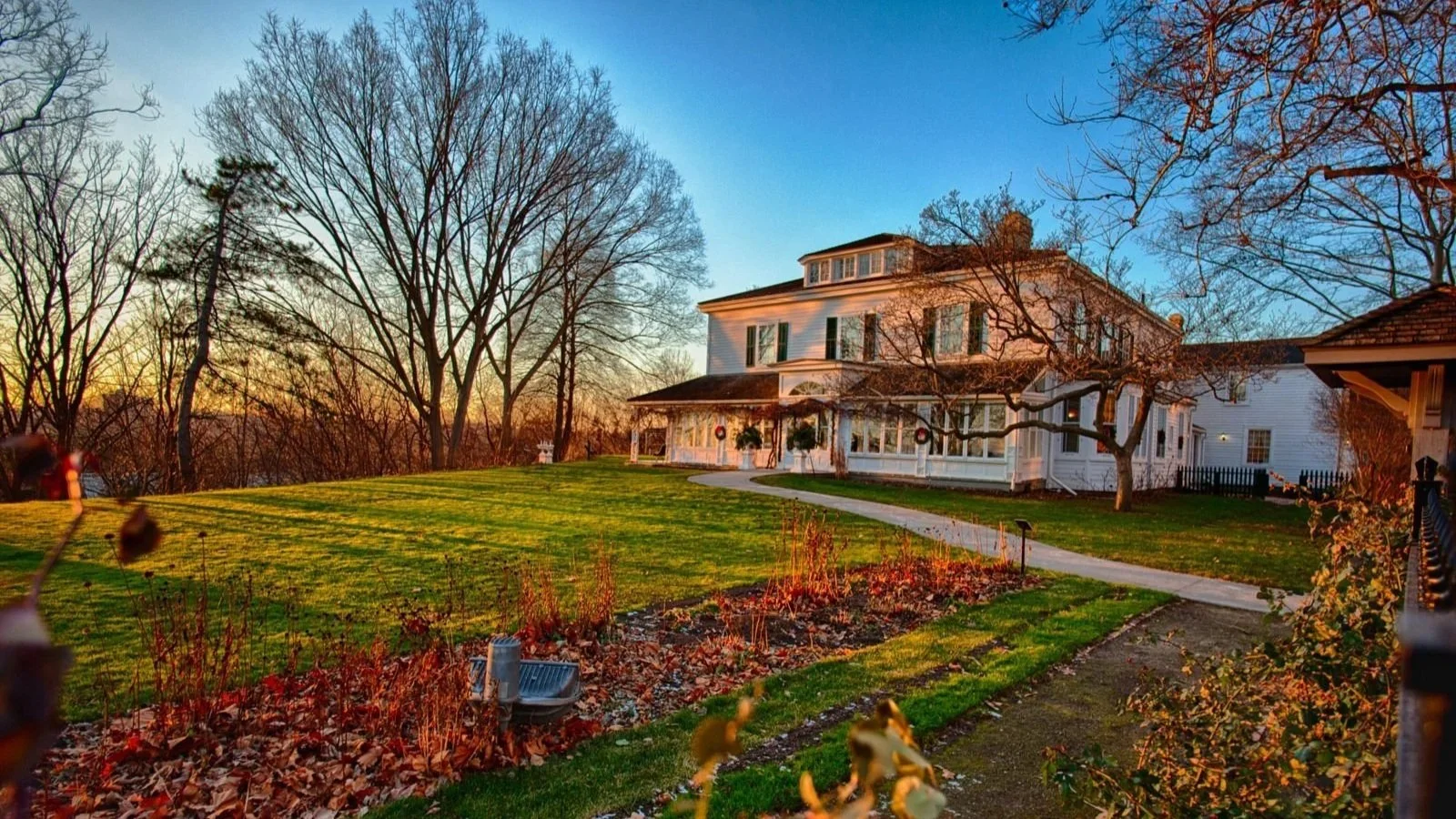
Tucked away on Ridout Street is Eldon House, London's oldest surviving residence. The house has remained remarkably intact since the 19th century and was home to four generations of the Harris family.
It also has a ghost story.
According to Eldon House, one of its most enduring legends involves British Lieutenant Wenman Wynniatt, who was courting Sarah Harris, a member of the family who lived there.
Local lore says that in May 1841, Sarah invited Lieutenant Wynniatt to a party at Eldon House. When he arrived, something seemed strangely wrong. He appeared pale and distant, walked silently through the dining room without acknowledging the guests, and then simply vanished.
Shortly afterward, Wynniatt's body was discovered in the nearby Thames River. According to the story, his pocket watch had stopped at precisely the time he was supposedly seen walking through the house.
And apparently, he never really left.
Over the years, visitors and staff have reported seeing the apparition of a man believed to be Wynniatt wandering through the historic halls and dining room of Eldon House.
Whether you're inclined to believe in ghosts or simply appreciate a good local legend, it's enough to make you pause the next time you find yourself standing in that dining room.
A perfectly ordinary historical house? Certainly.
A house with a mysterious apparition? Well, that's where you get to decide.
And if you're curious, October is a particularly good time to visit. Eldon House embraces its spooky reputation with seasonal programming and historical events, making it a rather fitting place to begin exploring London's haunted side.
The Courthouse
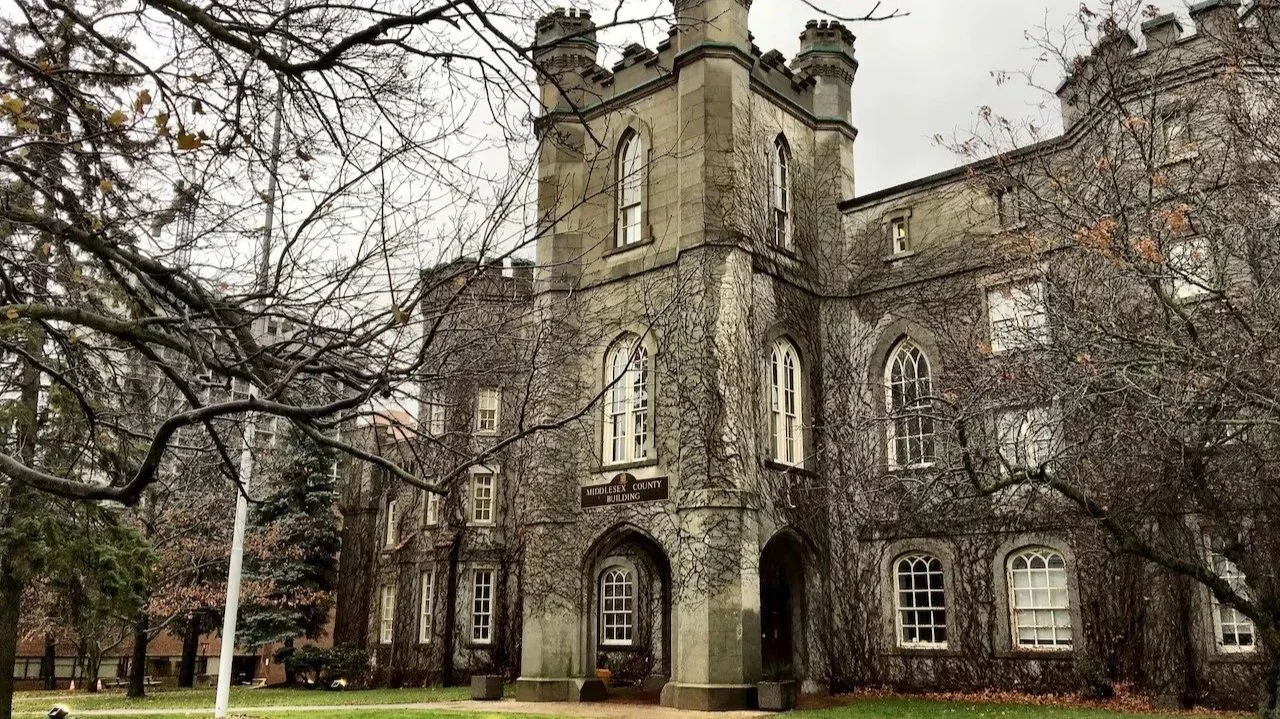
From one historic building to another, head downtown to the Middlesex County Courthouse.
Overlooking the Thames River, the imposing, castle-like courthouse and its former jail building have been part of London's landscape for well over a century. With its stone walls, turrets and distinctly Gothic appearance, it already looks like the sort of place where a ghost story ought to happen.
And, naturally, there are stories.
Local lore holds that the former jail is haunted by figures from London's past, including Marion “Peg Leg” Brown, an American outlaw whose story has become part of the building's ghostly reputation.
Whether Peg Leg Brown is still wandering the halls is another question entirely.
But even without the ghosts, the courthouse is worth a look. Its architecture and location offer a glimpse into an earlier London, when the Thames was a much more central part of the city's life, and the buildings around it had a rather different character.
It's also a good reminder that when you start looking at London through a Halloween lens, you don't necessarily need to find a haunted house.
Sometimes, the building itself already looks the part.
The Grand Theatre
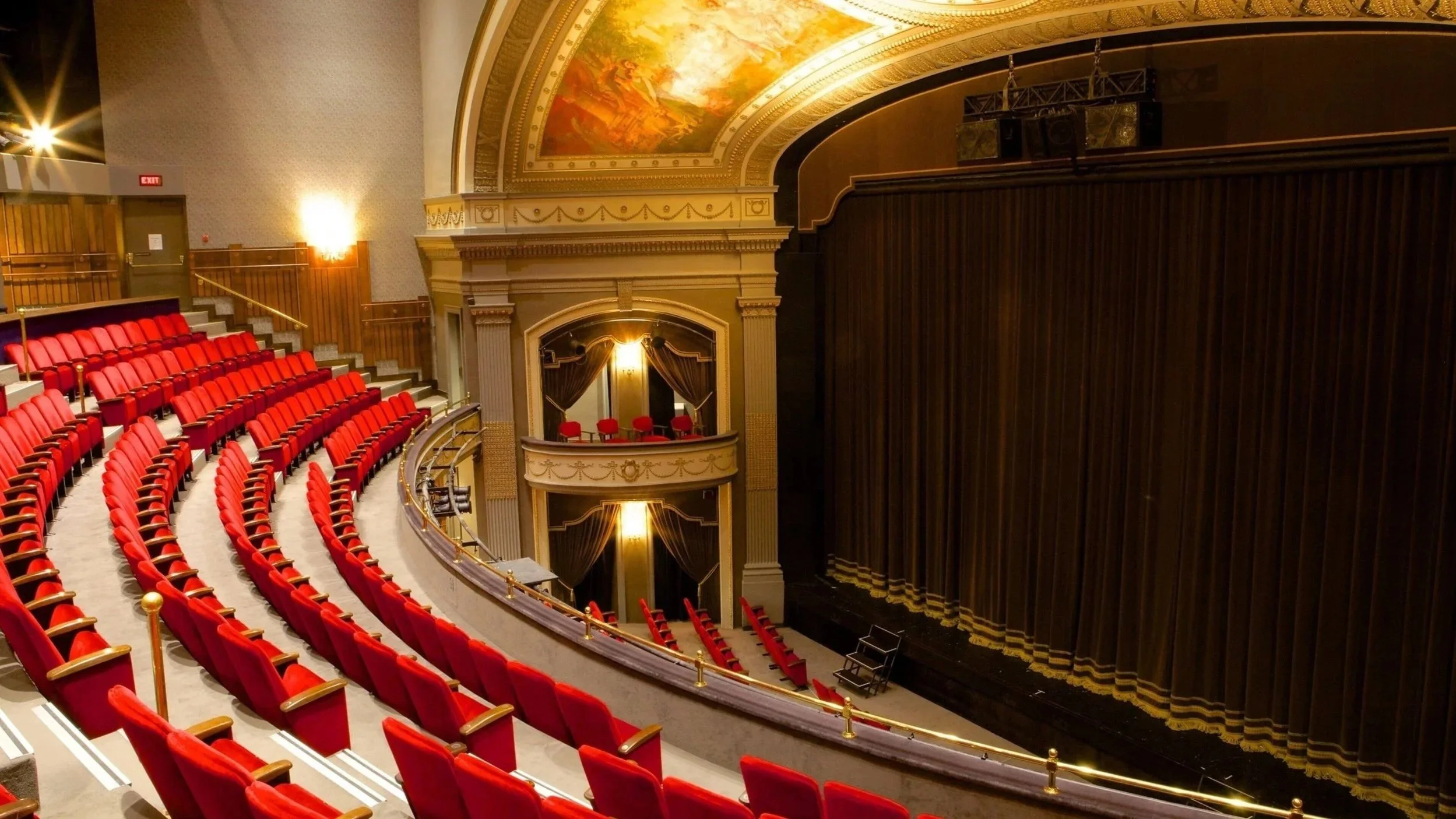
Every city with an old theatre seems to have a ghost story. London has one that is particularly good.
The story begins with Ambrose J. Small, the theatre magnate behind the Grand Opera House. On December 2, 1919, Small sold his theatre holdings and then mysteriously disappeared. He was never seen again.
Which would already be a pretty good story.
But then comes the theatre part.
The Grand Theatre's history notes that rumours of a supernatural presence in the building began circulating in 1952. Over the years, stories of strange occurrences have become part of the theatre's folklore.
The London Public Library’s historical account adds another wonderfully gothic detail: the present theatre was built partly on the former grounds of St. Lawrence Church cemetery, and construction workers reportedly discovered human bones, including a skull that newspapers nicknamed “Yorick.”
Hamlet would approve.
Whether you believe Ambrose Small's ghost is still keeping an eye on the theatre or simply appreciate a good backstage story, it's a reminder that some of London's most familiar buildings have considerably more history than you might expect.
The Lucan Heritage and Donnelly Museum
If you're starting to think London's local history has an unusually large supply of unsettling stories, you don't have to go very far outside the city to find one of Southwestern Ontario's most notorious.
Head west toward Lucan, and you'll encounter the story of the Donnellys.
The Donnelly family settled in the Lucan-Biddulph area in the 19th century, where longstanding disputes and tensions within the community eventually escalated into violence. On the night of February 4th, 1880, five members of the Donnelly family were murdered.
The events have become one of the best-known and most disputed stories in Canadian local history. Over the years, books, plays, documentaries, and oral traditions have added layers of legend to the historical record, making it important to distinguish between what is documented and what has become part of Donnelly folklore.
And that's part of what makes the story so fascinating.
The Lucan Area Heritage & Donnelly Museum explores the history of the Donnelly family and the wider Lucan-Biddulph community, giving visitors a chance to learn about the people and events behind the legend.
It's not exactly your traditional Halloween outing.
There are no cobwebs required.
Just a willingness to discover that some of the most compelling stories in our area aren't supernatural at all; they're simply part of the complicated, sometimes violent history of the people who lived here before us.
London's History Gets Darker after Dark
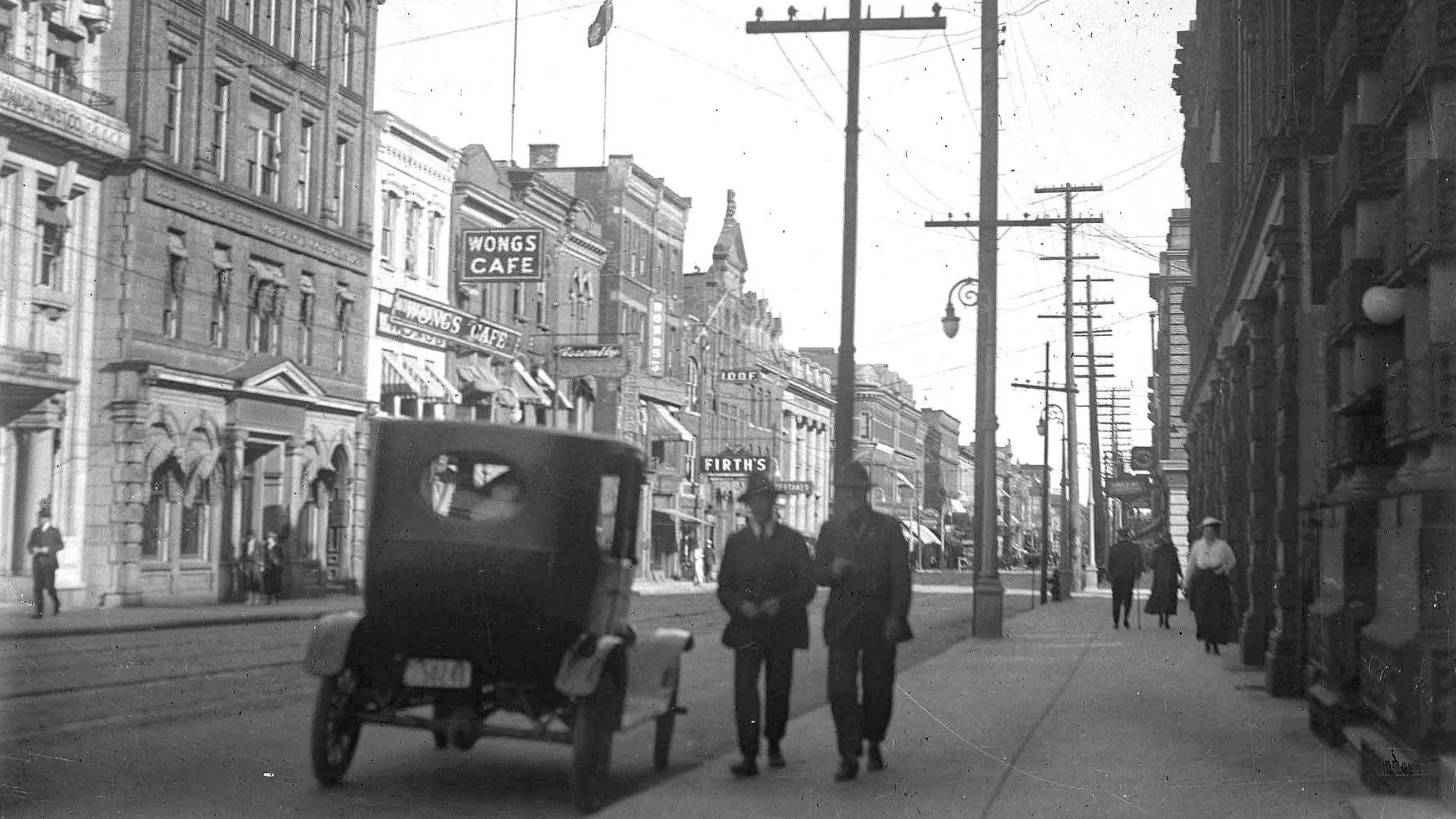
Richmond Street circa 1916-1919
Back in London, the city's museums and heritage organizations have embraced the darker side of local history, particularly around Halloween.
Museum London offers Cultural Walks: Haunted Histories in October, exploring haunted spots, local legends, and some of the more shocking episodes from London's past.
There are few better ways for a newcomer to discover the city than to walk through it while someone tells you what you wouldn't necessarily notice on your own.
A building becomes more interesting when you know what happened there.
A street has more character when you know who once lived on it.
And an ordinary downtown walk suddenly feels quite different when you learn that the pavement beneath your feet has a few stories to tell.
And If You Really Want to Be Scared…
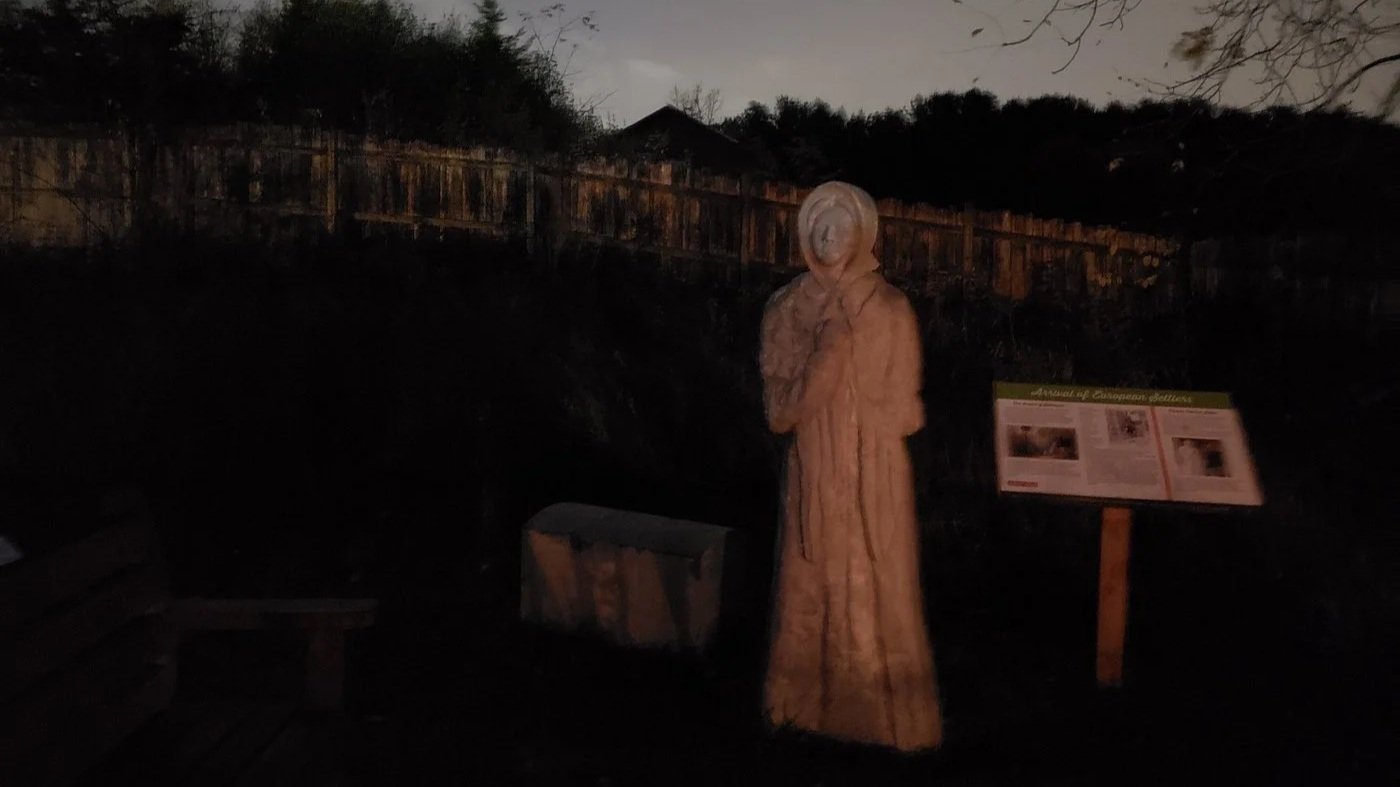
So far, we've been talking about ghosts, legends, and the occasional historical mystery.
But perhaps you're thinking: “This is all very interesting, but where are the actual screams?”
Enter Fanshawe Pioneer Village.
Usually, Fanshawe Pioneer Village is the sort of place where you go to learn what life was like in London and Middlesex County between roughly 1820 and 1920. You wander among historic buildings, learn about pioneer life, and generally feel very wholesome.
In October, however, things take a decidedly different turn.
Return to the Abandoned Village
From October 16–31, 2026, Fanshawe Pioneer Village becomes the setting for Return to the Abandoned Village, presented in partnership with ByronScaryHouse.
And this isn't your grandmother's haunted hayride.
The experience takes visitors on a frightening walking route through the historic village, with five buildings transformed into scenes of horror. Expect scare actors, jump scares, flashing lights, loud sounds, tight spaces, and graphic and gory scenes. It is a 14+ event and is specifically not intended for children.
You can choose from several evenings throughout. Advance tickets are strongly recommended, as the event warns that many nights sell out.
And if the thought of being chased through a dark historic village sounds like considerably more excitement than you were looking for, there's also a daylight version on October 18 and 25. Those afternoon sessions have no scare performers or strobe lights, though the gory decorations and horror imagery remain, so it is still a 14+ experience.
In other words, you can learn about London's past during the day and be terrified by it after dark.
Very efficient.
One practical note for newcomers: Fanshawe Pioneer Village is inside the Fanshawe Conservation Area and isn't served by a regular London Transit bus route. For the 2026 Halloween event, the new entrance is at 2609 Fanshawe Park Road East, with free on-site parking. The event takes place outdoors on gravel, grass, and uneven pathways, so we encourage comfortable shoes and weather-appropriate clothing.
A Little Local History, With a Side of Goosebumps
The best thing about London's spooky stories is that they're really history stories first.
The Victoria Day disaster was real. Eldon House is real. Ambrose Small really did disappear. The Donnellys really did live and die near London. We can't prove the ghosts and apparitions, but the history is all around us.
If you're new to London, October is a perfect time to start exploring it. Take a walk downtown, visit a heritage building, wander an old neighbourhood, or make the short trip to Lucan. Look closely, and you'll find that some of the city's most interesting stories are hiding in plain sight.
You don't have to go looking for ghosts.
You're really looking for stories.
And if somebody tells you the building you're standing in is haunted? Listen politely. You don't have to believe them.
But you might want to keep your eyes open.
Just in case.
Welcome to London. It's a beautiful, green city with a lot going on.
And apparently, a few of its residents never quite left. 🪦