Double-Doubles and Long Weekends
Your playful guide to Canada’s quirks, traditions, and official days off.
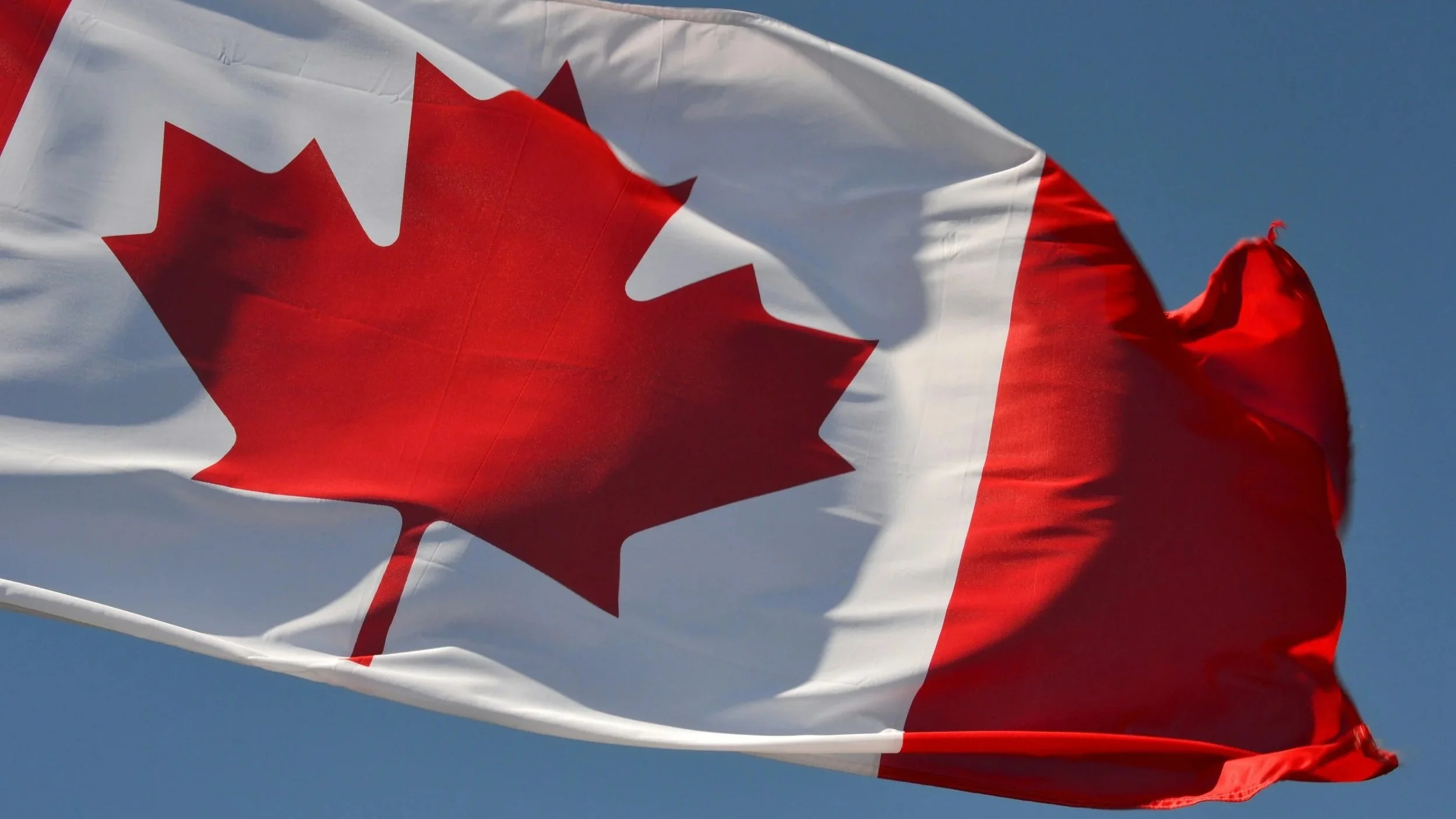
If you’re new to Canada, you’ll quickly learn that Canadians speak their own charming, slightly confusing dialect.
Here’s your quick guide to Canadianisms, slang, and holidays, so you can blend in at Timmies, navigate the 401, and survive long weekends like a local.
Greetings and Expressions
“Eh?”: Our national punctuation mark. It turns any statement into a friendly invitation: “Cold out there, eh?” Use it liberally; it’s basically a smile with sound.
“Yeah, no” / “No, yeah” / “No, for sure”: This delightful cluster of contradictions is peak Canadian communication.
“Yeah, no” means no.
“No, yeah” means yes.
“No, for sure” means definitely.
It’s polite, non-committal, and designed to soften any opinion into maple-syrup smoothness.
“Sorry”: Our most versatile word. Someone bumps into you? You’ll both apologize. Someone tells you bad news? You’ll say “sorry.” Drop your coffee? Also, “sorry.” It’s less about guilt and more about politeness - like emotional bubble wrap.
“Give’r”: A spirited encouragement meaning “go for it” or “put your back into it.” Whether you’re shovelling snow, hauling a canoe, or just trying to start the lawnmower after a long winter, someone’s bound to yell, “Just give’r!” It’s the national anthem of effort.
Clothing
Toque (rhymes with “Luke”): That snug knit hat you call a beanie? Here, it’s a toque. You’ll become best friends with one once we hit October and the wind starts to whisper, “winter’s coming.” And that pom-pom on top? A personal snowball of joy.
Parka: The Canadian winter survival suit. Long, insulated, often hooded with faux fur, and capable of making you look like a very stylish marshmallow. Essential for surviving sub-zero winds and polite, snowy commutes.
Runners and Joggers: In Canada, runners are sneakers or tennis shoes, logical, really, since you run in them. Joggers means sweatpants or jogging pants. Confusingly, jogging pants can also be called track pants. So if someone says, “Grab your runners and joggers,” they’re not suggesting a marathon, just comfy clothes.
Beverage Bootcamp
Double-Double: At Tim Hortons, this means coffee with two creams and two sugars. In London, there’s one on nearly every corner, sometimes across the street from another Tim’s. Grab some Timbits too, bite-sized donut holes perfect for when one donut just isn’t enough. If you can order without hesitation, congratulations: you’ve passed your citizenship test.
2-4, Mickey, and Twenty-Sixer: Canadians have their own language for booze sizes.
A 2-4 is a case of 24 beers - the official fuel of every long weekend. “May Two-Four”? That’s both a holiday and a beer run.
A mickey is a tiny 375 mL bottle of liquor - perfect for sneaky pockets and quick sips.
A twenty-sixer is the 750 mL bottle that says, “I’m here for a proper good time.”
So if someone tells you, “We’re grabbing a 2-4 and a twenty-sixer,” congratulations, you’ve just been inducted into the most Canadian of parties.
Everyday Life
Loonie and Toonie: Meet the Loonie, Canada’s $1 coin. It features a majestic loon gliding across a lake. Simple, elegant, and just enough to make your pocket jingle. Then there’s the Toonie, the $2 coin. Which, because Canadians love logical naming, is literally two loonies in one. It sports a proud polar bear, because why not add a little Arctic flair to your change?
Carry a handful of these, and suddenly your wallet feels heavy, not because of cash. It’s the sheer Canadian charm jingling in your pockets.
Hydro: Your electricity bill. Why? Something about water…probably a river, maybe a dam, definitely nothing you need to overthink. Just pay it.
Bonus: complaining about your hydro bill is basically a national pastime.
Time as Distance: Ask a Canadian how far something is, and don’t expect kilometres. You’ll get a time estimate instead: “Oh, about 20 minutes.” That could mean 10 km or 30. It all depends on the vibe, traffic, and how much they like you.
Street names? Optional. Landmarks? Mandatory. Directions sound like a scavenger hunt:
“Turn left at the Tim’s, go past the old Blockbuster, and it’s right across from the Shoppers Drug Mart.”
It makes sense when you think about it. Canada is enormous, kilometres can feel meaningless, and honestly, it’s easier to judge a trip by how long it takes than how far it is. Forget math, just grab a double-double and start driving.
The 401: Canada’s favourite place to practice patience. Also known as the Macdonald-Cartier Freeway, it stretches across southern Ontario and is one of North America’s busiest roads. Where “Traffic was terrible today” isn’t news, it’s a lifestyle.
Now that you’re fluent in our dialect, let’s tackle the mysterious world of “stat holidays.”
Holidays, the Canadian Way
Holidays aren’t just days off, they’re windows into Canadian life. In Ontario, they come in a mix of statutory, civic, and cultural flavours. Some are recognized nationwide, while others are provincial quirks or simply beloved traditions.
Let’s stroll through the holidays that give Canada its rhythm: some official, some just for fun, and all with their own excuse to snack, nap, or dress up.
New Year’s Day – January 1st (Nationwide statutory)
Bringing in the year with family toasts, maybe the first brisk walk of the year, and a little reflection on fresh starts.
Family Day – Third Monday in February (Ontario statutory)
Snow forts, indoor crafts, or cozy family adventures, depending on how winter is treating us.
Good Friday – Friday before Easter Sunday (Nationwide statutory)
Quiet reflection for some, chocolate treats for many; spring traditions begin to peek through.
Victoria Day – Monday preceding May 24 (Nationwide statutory)
Barbecues, flower planting, and the unofficial start of summer vibes.
Canada Day – July 1 (Nationwide statutory)
Fireworks, parades, waving the maple leaf, and enjoying quintessentially Canadian celebrations.
Civic Holiday – First Monday in August (Not statutory / Provincial custom)
Ice cream runs, park outings, or a mini getaway before the end-of-summer rush.
Labour Day – First Monday in September (Nationwide statutory)
Long weekend trips, last beach visits, and back-to-school prep.
Truth and Reconciliation Day – September 30 (Statutory for some)
A time to reflect, learn, and honour the histories, cultures, and contributions of Indigenous Peoples across Canada.
Thanksgiving – Second Monday in October (Nationwide statutory)
Turkey dinners, pumpkin pies, and gratitude for friends, family, and all things harvest.
Remembrance Day – November 11 (Not statutory in Ontario)
Pausing for ceremonies and reflection on those who served.
Christmas Day – December 25 (Nationwide statutory)
Festive meals, cozy traditions, and time with family and friends.
Boxing Day – December 26 (Ontario statutory; not statutory nationwide)
Shopping sprees, leftovers, and post-holiday relaxation.
Pro tip: When holidays land on a weekend, Ontario often moves observances to Monday, creating reliable long weekends for many.
So there you have it! You’re now equipped with Canadianisms and the low-down on how holidays work. You’re officially ready to blend in. Remember: measure distance in minutes; directions in landmarks; and emotions in “sorrys.” And when in doubt, a friendly “Yeah, no, for sure” will get you out of almost anything. 🍁