Surviving Canadian Winters
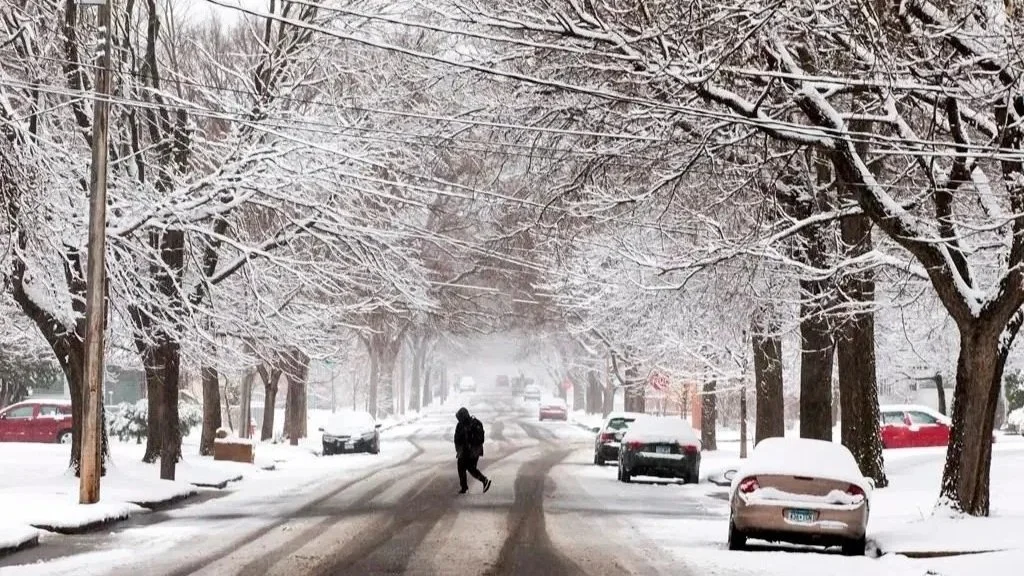
Winter in Canada can feel like an entirely new world if you’ve never experienced sub-zero temperatures, icy sidewalks, and snowdrifts. For newcomers, it’s not just about bundling up. Staying safe, warm, and comfortable requires awareness, clothing strategy, car preparation, home tweaks, and pet care. Here’s your friendly, practical guide to surviving your first Canadian winter without losing your sense of adventure.
Understanding Fall and Winter Weather Alerts

Canadian weather alerts aren’t just warnings; they’re your winter survival guide. Newcomers often miss them until a snowstorm hits, but staying ahead is easy with alerts for precipitation, extreme cold, and reduced visibility. Get real-time updates anytime through the WeatherCAN app, Canada’s official source for weather alerts.
During severe weather, schools may cancel buses or close entirely, especially when road conditions become unsafe. Here, in London, you can check the Thames Valley District School Board (TVDSB) website or the London District Catholic School Board website for immediate updates on bus cancellations and school closures due to inclement weather.
Precipitation Alerts
These focus on snow, ice, or freezing rain that may make travel dangerous.
Snowfall Warning: Significant snow expected in a short period.
Snow Squall Warning: Intense, localized snow bands caused by cold air moving over large bodies of water.
Freezing Rain or Drizzle Advisory: Rain or drizzle freezes on contact, making roads and sidewalks dangerously slick.
Winter Storm Warning: Multiple severe conditions, including snow, ice, and wind, expected at the same time.
Extreme Cold Alerts
Issued when temperatures or wind chill reach dangerous levels. On these days, staying indoors and limiting travel is strongly recommended.
Reduced Visibility Alerts
Blowing snow, fog, or heavy snow bands reduce visibility and make driving hazardous.
Weather alerts show up on apps, TV, and social media. They help you plan travel, school schedules, work commutes, and outdoor activities safely. Paying attention can prevent accidents and stress.
Clothing Essentials: Warmth Is All About Strategy
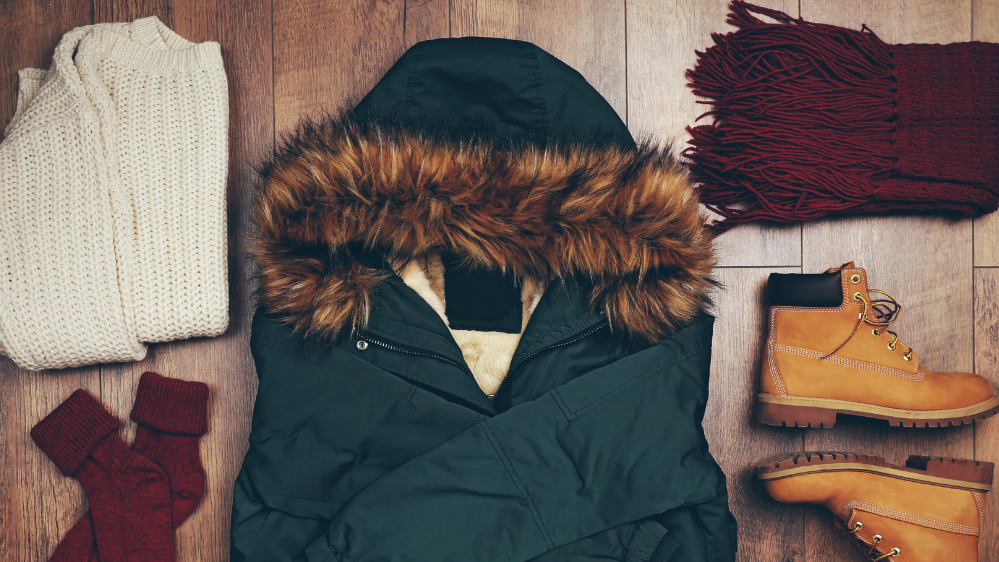
Many newcomers arrive with sweaters and a winter jacket, but quickly learn that dressing for a Canadian winter is a system, not a single piece of clothing.
Merino Wool or Synthetic Base Layers: Cotton traps moisture, leaving you cold when it gets damp. Merino wool or synthetic performance fabrics stay warm even when wet and wick moisture away from your skin.
Insulated, Waterproof Boots with Traction: Walking on icy sidewalks is tricky if your boots lack proper insulation or traction. Look for boots rated for low temperatures, waterproof, and with deep treads.
Toque, Mittens, and Face Protection: Heat escapes quickly from your head and hands. A warm toque, mittens, and a scarf or neck warmer will protect your core and make outdoor time bearable. Mittens are often warmer than gloves because your fingers share heat.
Snow Pants: Many newcomers pack only a heavy coat. Snow pants are essential if you spend time outdoors, walk through deep snow, or enjoy winter sports. Staying dry is key to staying warm.
Pro Tip: Tuck it in. Keep your warmth as close to your core as possible by tucking smartly. Wrap your scarf twice around your neck and tuck it under your top base layer or mid-layer. Tuck your top base layer into your bottom base layer. Tuck your pants into your socks. This ensures no cold air sneaks in and your heat stays exactly where it belongs.
Car Essentials: Staying Safe on the Road
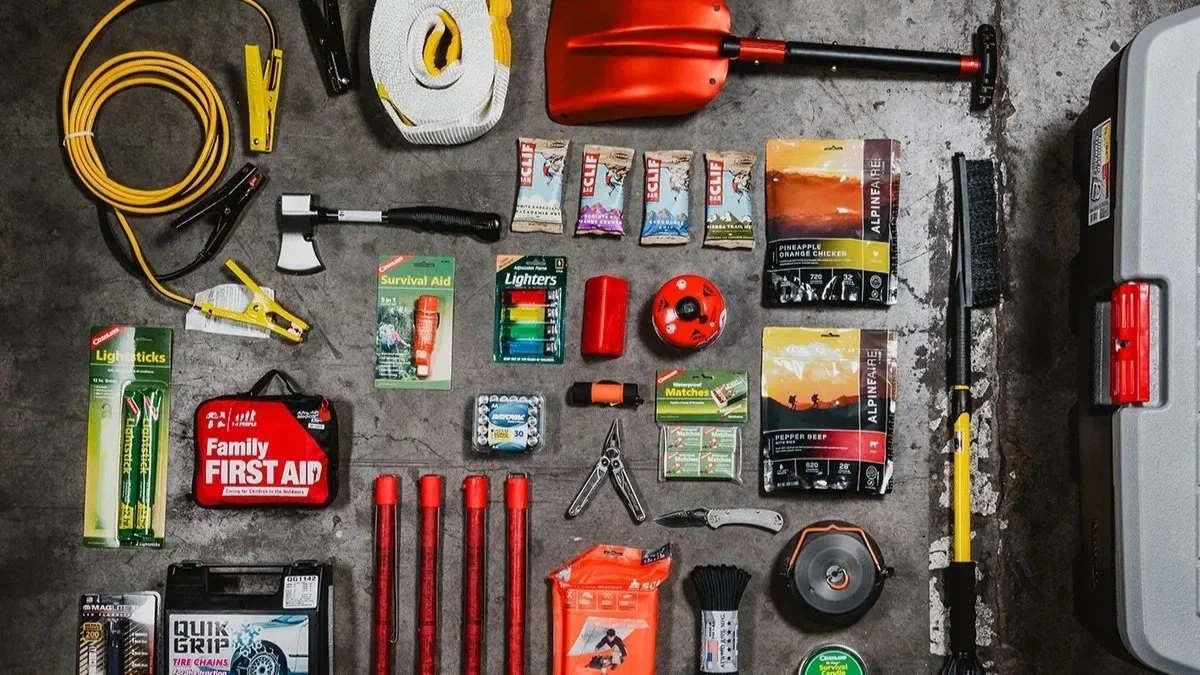
Driving in winter requires more than just a warm coat. Cold, snow, and ice can turn even short trips into challenges.
Ice Scraper and Long-Handled Snow Brush: Clear all windows, mirrors, lights, and the roof before driving. Some regions even require it by law.
Jumper Cables: Cold temperatures kill car batteries faster than you’d expect. A jump starter can save you if your car won’t start.
Compact Shovel and Traction Aid: Even experienced drivers get stuck. A small shovel plus sand, road salt, or cat litter can provide the traction needed to get moving.
Winter Emergency Kit: Pack non-perishable snacks, water, blankets, extra clothing, a flashlight, a first-aid kit, and a phone charger. Being prepared can turn a stressful situation into a manageable one.
Home Essentials: Winter-Proofing Where You Live

Keeping your home cozy, safe, and comfortable is just as important as bundling up outside. A few small steps now can make your days warmer, your chores lighter, and your home feel like a real winter haven.
Seal in the Warmth: Drafts are sneaky little things. Check around your windows and doors for gaps or leaks, and replace weather stripping if needed. Window film kits can also help trap heat inside and keep your energy bills in check.
Boot Tray Magic: A simple waterproof tray by the door is a game-changer. It keeps snow, ice, and slush from spreading through your home and gives your boots a proper drying spot.
Humidify, Don’t Suffer: Indoor air can get really dry thanks to heating systems. A humidifier keeps your skin soft, your nose happy, and your home feeling just right.
Walkway Wisdom: Shoveling is part of the winter rhythm, but there are ways to make it safer. Clear your walkways and driveways so family, friends, and neighbours can pass safely. Sprinkle sand or gravel for extra traction, or use salt/ice-melt if you need it (just remember it doesn’t work well in extreme cold and isn’t the kindest to the environment).
Keep Your Heating in Check: Replace your HVAC air filter every 3 months to keep your system running efficiently. Make sure vents are clear and your thermostat is working correctly; small checks that save big on heating costs.
Safety First: Winter is cozy, but it’s also the time to make sure your safety gear is ready. Test your fire detectors and carbon monoxide detectors so you can relax knowing your home is protected.
Winter Pet Care: Keeping Your Furry Friends Safe

Canadian winters aren’t just harsh for humans. Dogs, cats, and other pets need a little extra attention to stay healthy and happy.
Dogs
Short Walks and Paw Protection: Salt, ice, and cold pavement can harm paws. Consider dog booties or paw wax.
Watch for Frostbite: Ears, tails, and paws are most vulnerable. Limit outdoor time in extreme cold.
Warm Clothing: Small or short-haired breeds may benefit from a doggy sweater or coat.
Cats
Keep Them Indoors: Even cats used to outdoor life can suffer from hypothermia or frostbite.
Cozy Sleeping Spots: Provide warm blankets or heated pet beds away from drafts.
General Tips
Check for Snowballs on Fur: Snow can clump on longer fur, causing discomfort.
Avoid Antifreeze: It’s toxic to pets. Clean up spills and store it safely.
Hydration: Pets still need water in winter, and it shouldn’t freeze.
Winter in Canada can feel relentless, but a little prep goes a long way. With the right boots, cozy layers, and a touch of planning, those snowstorms and icy sidewalks suddenly feel…doable. Before you know it, you’ll be striding through the cold like it’s no big deal, and maybe even enjoying it.❄️